
How to choose a kitchen designer when launching or growing your business: criteria, pitfalls, and budget to expect
Let’s be honest. When you launch or scale a business that involves food, hospitality, offices, or even short-term rentals, the kitchen suddenly stops being “just a kitchen”. It becomes a work tool. A stress source too, sometimes. I’ve seen founders lose weeks because a drawer didn’t fit, or because the extractor hood was underpowered. Yeah, details… but costly ones.
Second thing people underestimate : choosing a kitchen designer is not like choosing a logo or a coffee machine. You’re locking yourself into decisions that will impact your daily operations for years. Workflow, hygiene, durability, even staff morale. That’s why, before rushing into Pinterest mode, it’s worth checking real professionals like https://cuisines-bains-maisonneuve.com and, more importantly, understanding how to choose the right one for your situation.
First question to ask yourself (and no one talks about it)
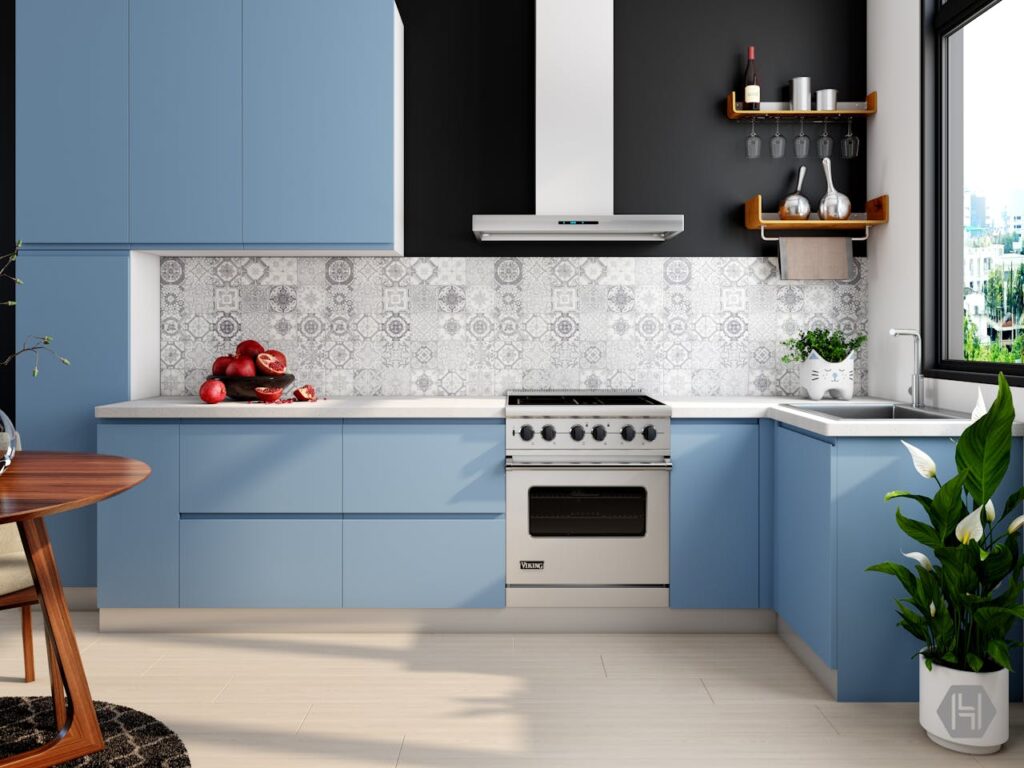 Are you building a *show kitchen* or a *work kitchen*?
Sounds obvious, but I swear most people mix the two. A restaurant owner wants something Instagrammable. A caterer needs speed and resistance. A startup founder fitting out an office wants comfort and reliability, not marble that stains if you look at it wrong.
So before calling anyone, take a piece of paper. Write down :
* Who uses the kitchen ?
* How many hours per day ?
* What breaks first if it’s badly designed ?
This little exercise already filters 50% of the wrong kitchen designers. Some are amazing… for homes. Not for businesses. And that’s fine, but you don’t want to learn that after signing.
Key criteria to choose the right kitchen designer
1. Business experience (real, not “we can adapt”)
If a kitchen designer has never worked with entrepreneurs, they’ll say “yes” to everything. That’s dangerous. You want someone who pushes back. Someone who says “honestly, that handle will be dead in six months” or “I’ve seen this layout slow down teams”.
Ask for concrete examples. Not photos only. Stories. Problems solved. If they hesitate, red flag.
2. Understanding constraints : time, cash, stress
When you’re launching a business, delays hurt more than design flaws. A good kitchen designer knows that. They talk planning, delivery dates, backup options. Not just colors and finishes.
I once saw a project delayed three weeks because a specific hinge was “backordered”. Three weeks. For a hinge. That’s the kind of thing pros anticipate.
3. Custom advice, not a catalog pitch
If the first meeting feels like a sales script, walk away. A real pro asks questions. Lots of them. Sometimes annoying ones. But that’s good. They try to understand your model, not just your square meters.
Common traps entrepreneurs fall into (and yeah, I get why)
Going too cheap… or too premium
Budget pressure is real. But ultra-cheap kitchens in a professional setting often mean :
* Doors that sag after a year
* Worktops that chip
* Hardware you replace twice
On the flip side, ultra-premium finishes can be pure ego. Quartz that costs double but adds zero operational value ? Maybe not your priority right now.
Underestimating maintenance
Some materials look gorgeous on day one. Then cleaning becomes hell. Staff complain. You complain. It adds friction every single day. Ask bluntly : “Is this easy to clean at 10 pm when everyone’s tired ?”
So… what budget should you realistically expect ?
Let’s talk numbers, because vague ranges are useless.
For a small professional or semi-professional kitchen :
* €6,000 – €10,000: basic but functional, limited customization
* €10,000 – €18,000: solid quality, smart layout, durable hardware
* €18,000+: complex layouts, heavy usage, premium durability
And no, cheaper almost always costs more later. Repairs, replacements, downtime. That hidden cost is brutal for small businesses.
Final advice (the one I wish someone told me earlier)
Don’t choose a kitchen designer because you “like them”. Choose them because they understand your business reality.
Ask uncomfortable questions. Challenge their proposals. If they get defensive, wrong fit. If they explain, adapt, and sometimes say “I wouldn’t do that”, you’re probably talking to the right person.
Your kitchen is not decoration. It’s infrastructure. Treat it like one.